
The Blue Tsunami was a lot of things, but we should not overlook that it was also a repudiation of the current, highly conservative Supreme Court. Last Tuesday, at the same time that the Supreme Court was debating turning children away from daycares because of who their parents love, Americans were voting to show they want a different world than the one this Supreme Court has allowed to fester.
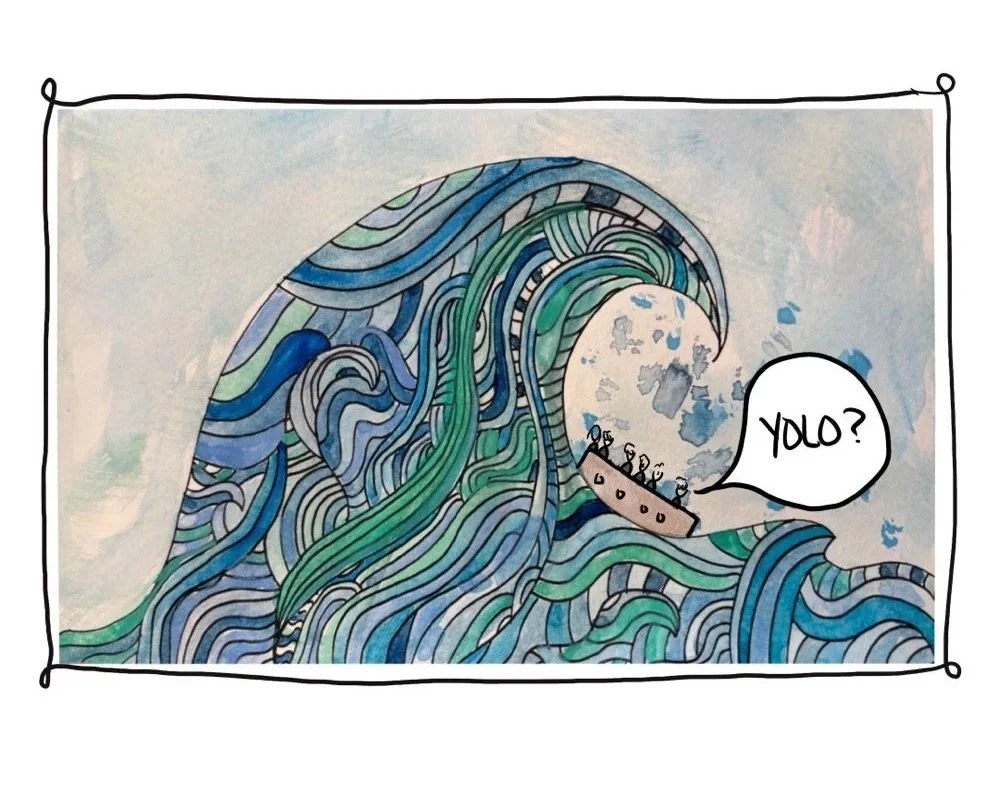
The Supreme Court’s Hand in a Single Chaotic Year
In the last few years, the 6-3 conservative Supreme Court has been interpreting the law in a way that harms Americans so clearly that it can’t hide behind the legalese anymore. In Fall 2025, when the Supreme Court was asked to stop ICE from targeting people for immigration stops based on how they look, the Supreme Court declined. Justice Kavanaugh went so far as to suggest, in a separate opinion, that this would basically be no big deal; nevermind the Fourth Amendment, which protects the people against unreasonable searches and seizures.
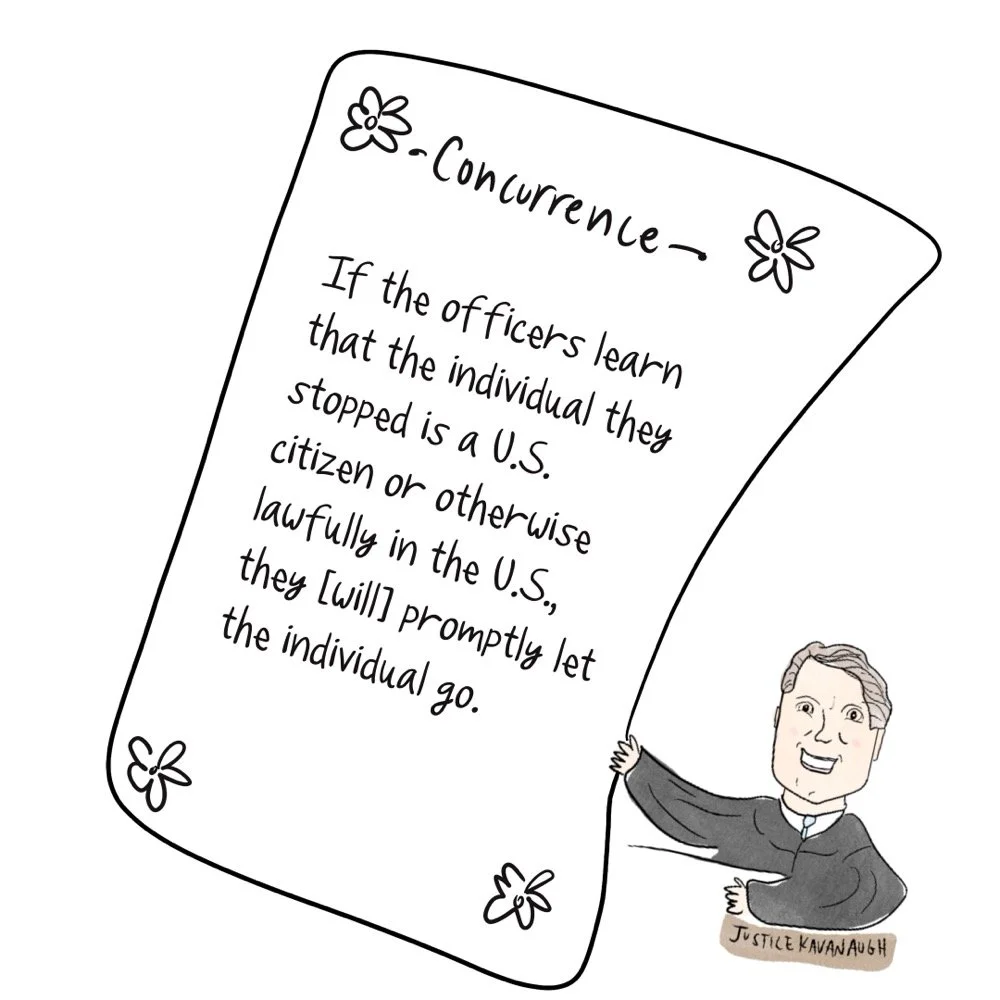
The effect of this technically temporary decision was to embolden ICE. Americans saw what followed: people being tackled in Targets, killed on the street, and pulled from their homes.
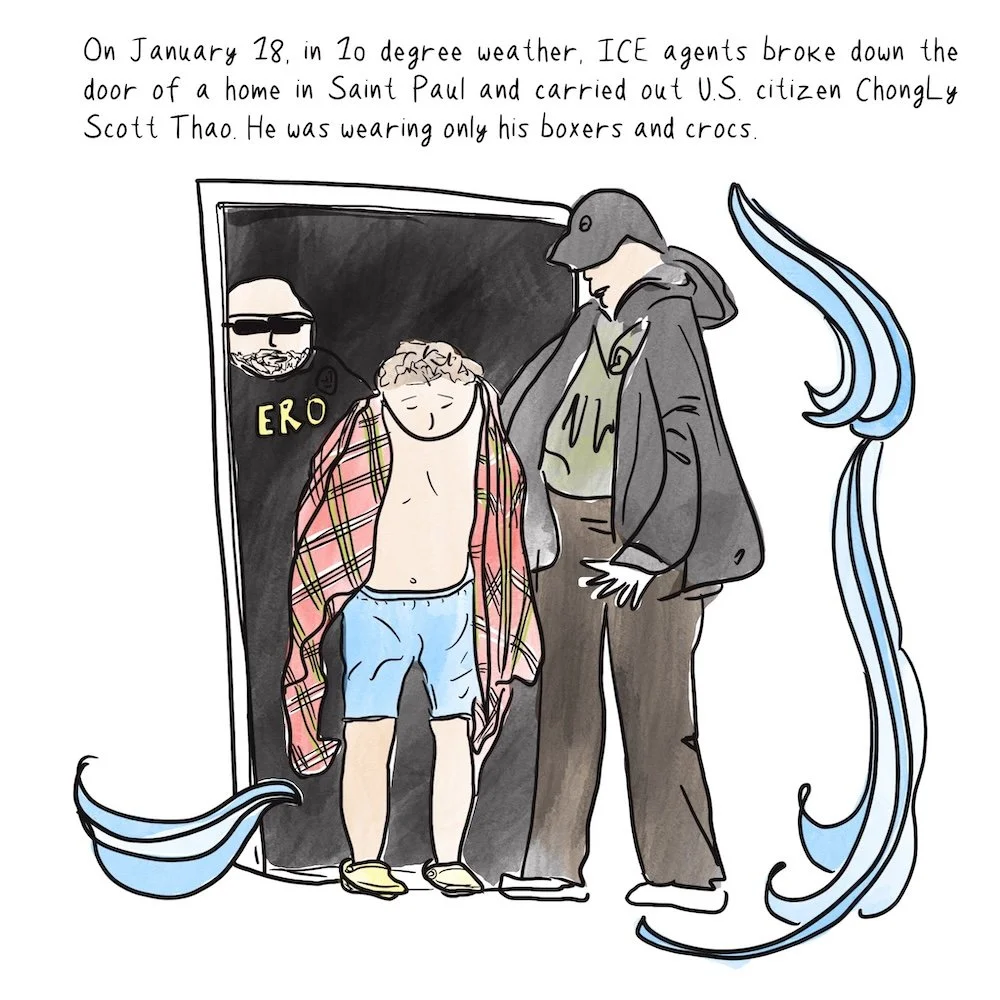
The collective acts of resistance were plainly a response to the federal government, but more subtly they were a rebuke to the Supreme Court signing off on ICE’s indiscriminate immigration stops.
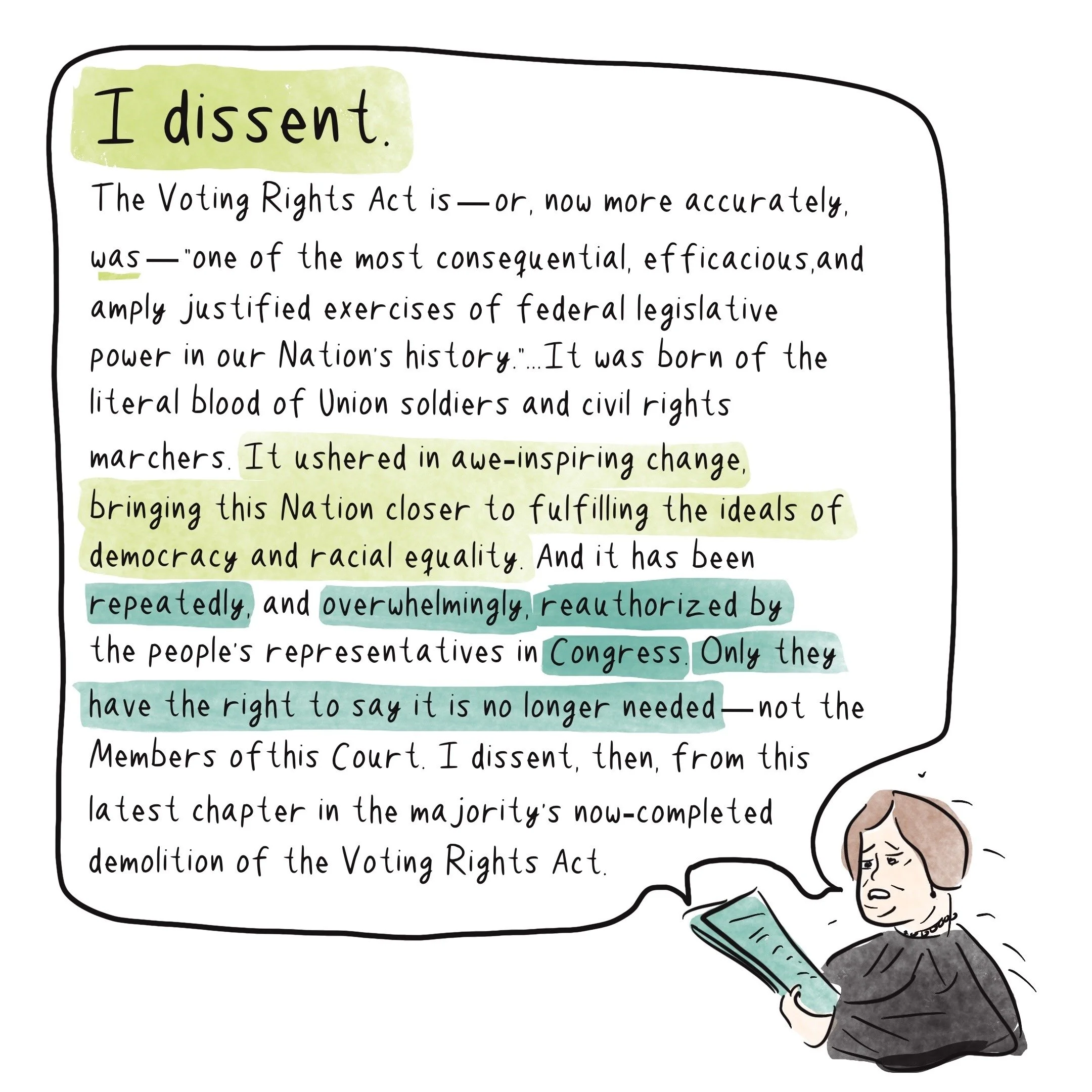
A few months later, the Supreme Court finished gutting the Voting Rights Act, a project that Justice Roberts has been working on his entire career. In the Callais decision this April, the Court effectively endorsed partisan gerrymandering and asserted, with cryptic legal logic, that attempts to fix racial discrimination were actually discrimination themselves.
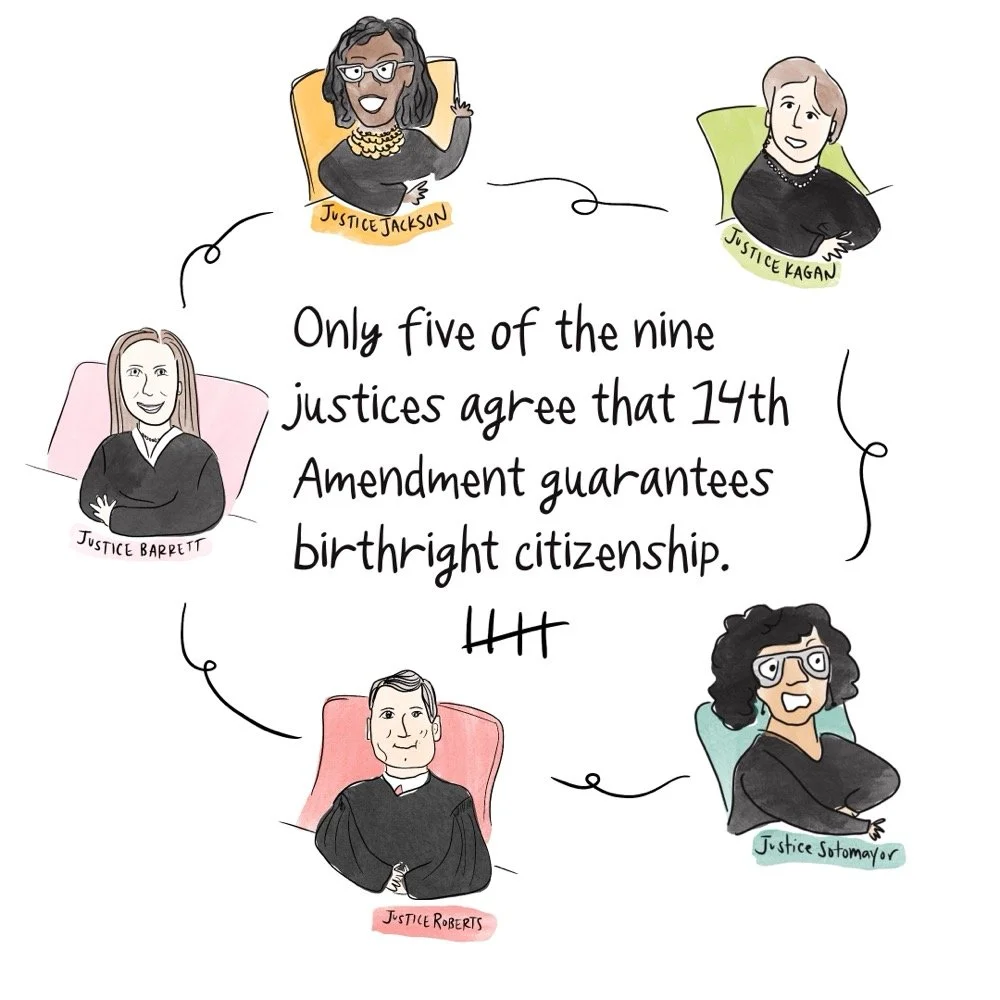
A few months after that, a near majority of the justices signaled they do not believe that the Constitution protects birthright citizenship, in the way it’s long been understood.
While voters were emphatically voting for democrats on Election Day, the Supreme Court was debating whether a Catholic school that receives state funding for daycare should be allowed to turn away children of same-sex parents. The schools believe that admitting those children would prohibit the schools’ free exercise of their religion and violate the First Amendment. (The First Amendment says, “Congress shall make no law respecting an establishment of religion, or prohibiting the free exercise thereof…”) The schools aren’t required to be in this program. If they join, they get state funding and follow the same rules as everyone else; if they don’t join, they can do what they want.
At oral argument, a furious Justice Sotomayor got to the point when she said, “Your bottom line is: your school can reject a child because their parents are homosexual. Is that your bottom line?”
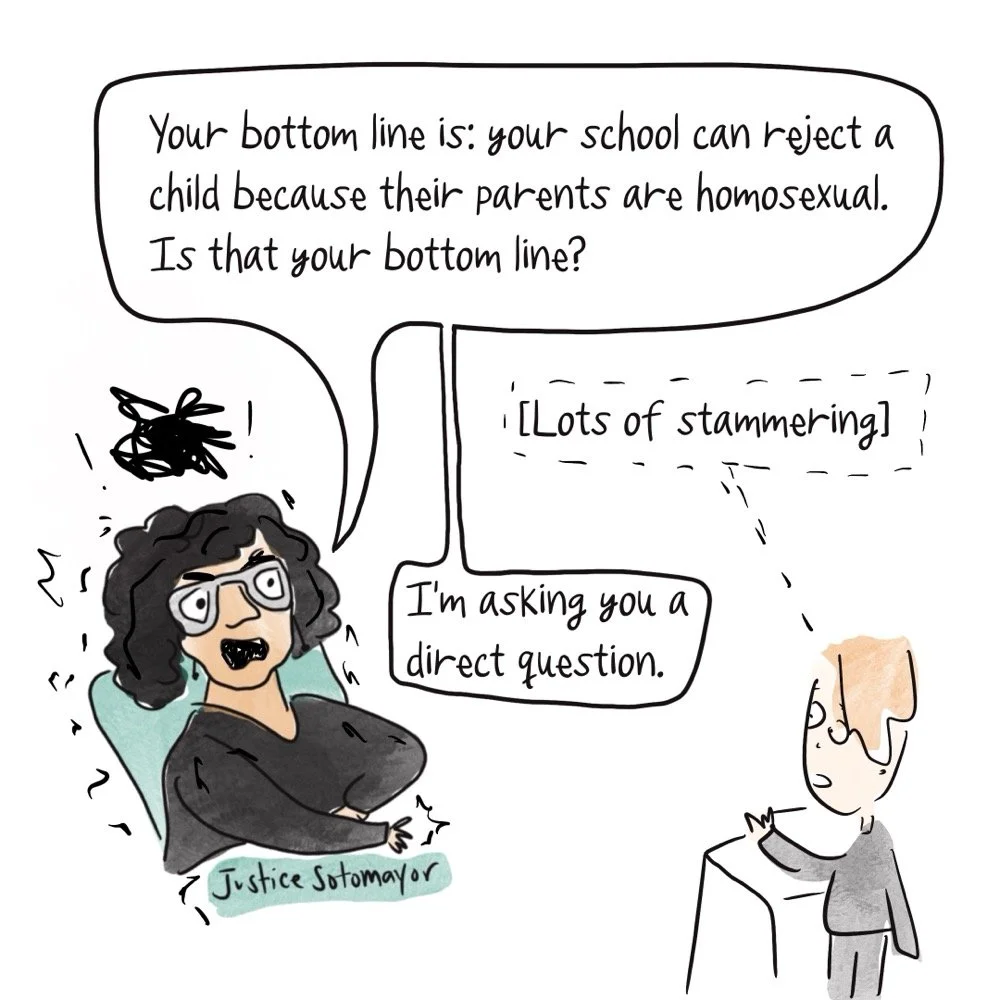
Justice Sotomoyor was audibly angry in her exchange in this oral argument.
Unless the justices read the blue room in the next few months, Justice Sotomayor is likely to be in the minority when this decision comes down. The Supreme Court led by Chief Justice Roberts has been gradually allowing religious beliefs to poke holes in anti-discrimination laws.
This is just a sampling of the Court’s most recent activity. I’m glossing over the more technical decisions from the last year that will dramatically affect how agencies run and how people can get relief in court when they are harmed. And I haven’t yet mentioned the Court’s most infamous decisions of the last five years. Two years ago, the current Supreme Court decided that a president is effectively immune for anything done while in office, and 4 years ago the Court took away a fundamental right that women had held for almost 50 years. The issues apparently driving voters to vote for Democrats—corruption, voting rights, immigration, healthcare, or income inequality—have a visible trail back to the Supreme Court.
Reagan-Era Dreams Come True
Heather Cox Richardson reflected last week in her Politics Chat that the wins by Democrats were a “repudiation of the Reagan era.” As she wrote in her Letters from an American on November 4, “it is a rejection of the Republican ideology that has driven American politics since the 1980s: the idea that some people are better than others and have the right to rule.” The Supreme Court is part of that story.
The current Supreme Court is a culmination of the Reagan-era approach to law and the judiciary. The Reagan era included the beginning of the conservative legal movement and the creation of the Federalist Society, which is the club of lawyers that has unofficially curated the conservative justices on the Supreme Court. In the early 1980s, conservative lawyers and law students recognized that, if they were going to claw the country back to a set of rights and laws they deemed acceptable, they needed to change the judges. In that goal, they have been wildly successful.
Justices appointed to the Supreme Court from the 1980s to 2010s rolled back key provisions of the Voting Rights Act, gave George W. Bush the presidency in 2000, and made it easier for corporate money to flow into politics. There is also a direct line between the nearly half-billion dollars Elon Musk spent on the 2026 election and the handpicked conservative Supreme Court. In 2010, the five Republican-appointed justices agreed in a case called Citizens United that corporations have free speech rights and that limiting their election spending was a violation of the First Amendment. Since achieving a 6-3 conservative majority in 2020, the Court has been able to move even more quickly and its impact on Americans’ lives has been harder to ignore.
Reagan-era politics and the current Supreme Court are closely linked. This week’s election shows that the people do not like the world they have wrought.
I’m a lawyer (Michigan Law alum) and artist, and I
simplify legal and technology concepts for lawyers, technologists, and academics with my human-made infographics.
run workshops for professionals that help build their creative brain muscles in a world of AI
provide analysis on the Supreme Court and rule of law using words and illustrations.
If you’d like me to run a workshop for your organization, translate your big idea, or break down the latest legal issues, I'd love to connect!