
Can the President Settle a Lawsuit With Himself?

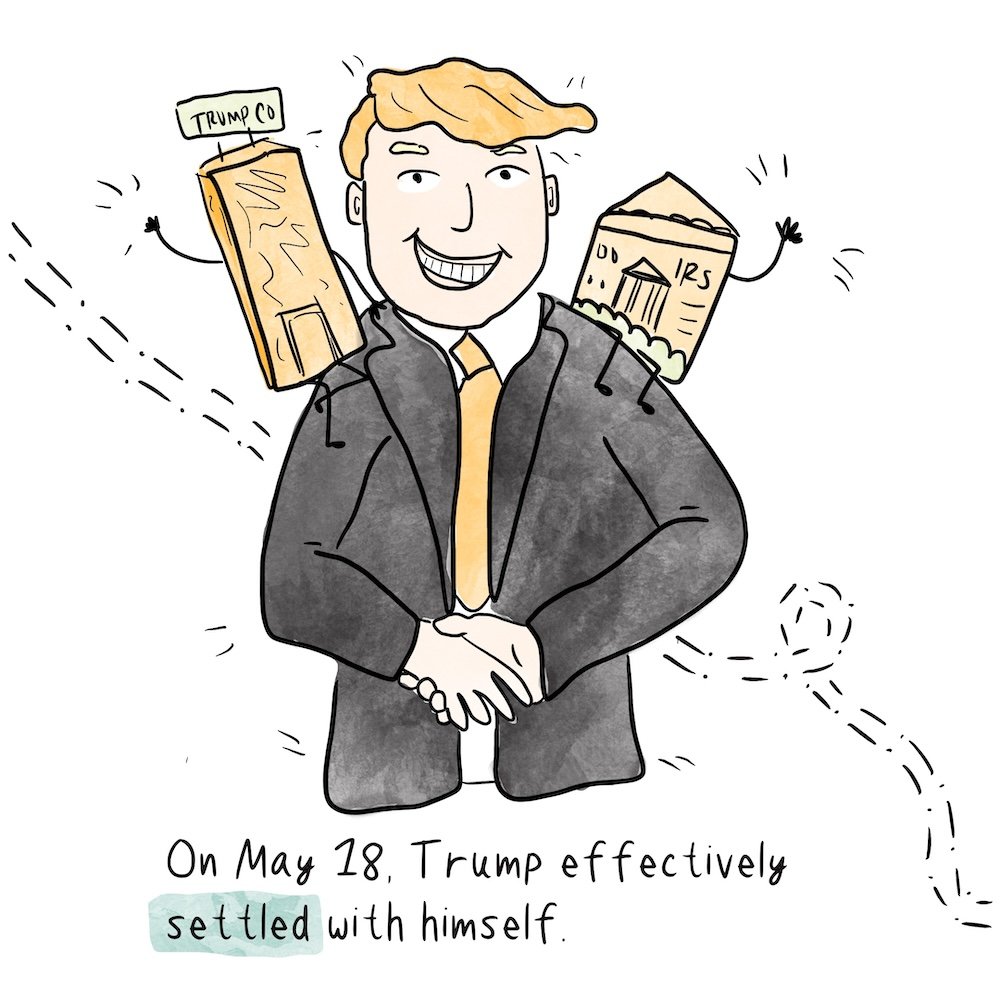
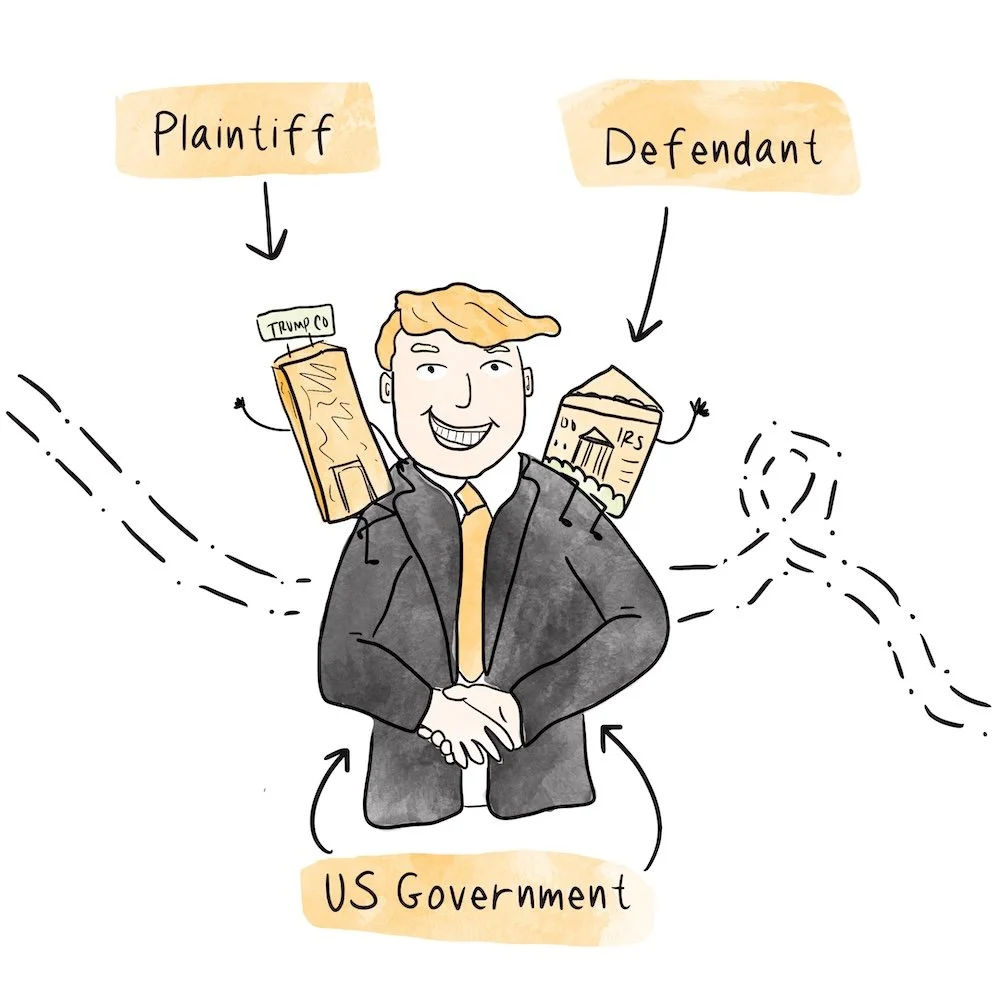
In January 2026, Donald Trump the individual (along with Don Jr., Eric Trump, and the Trump Organization), filed a lawsuit against the IRS for creating the conditions that allowed an IRS contractor to leak the 2019 and 2020 Trump tax documents.
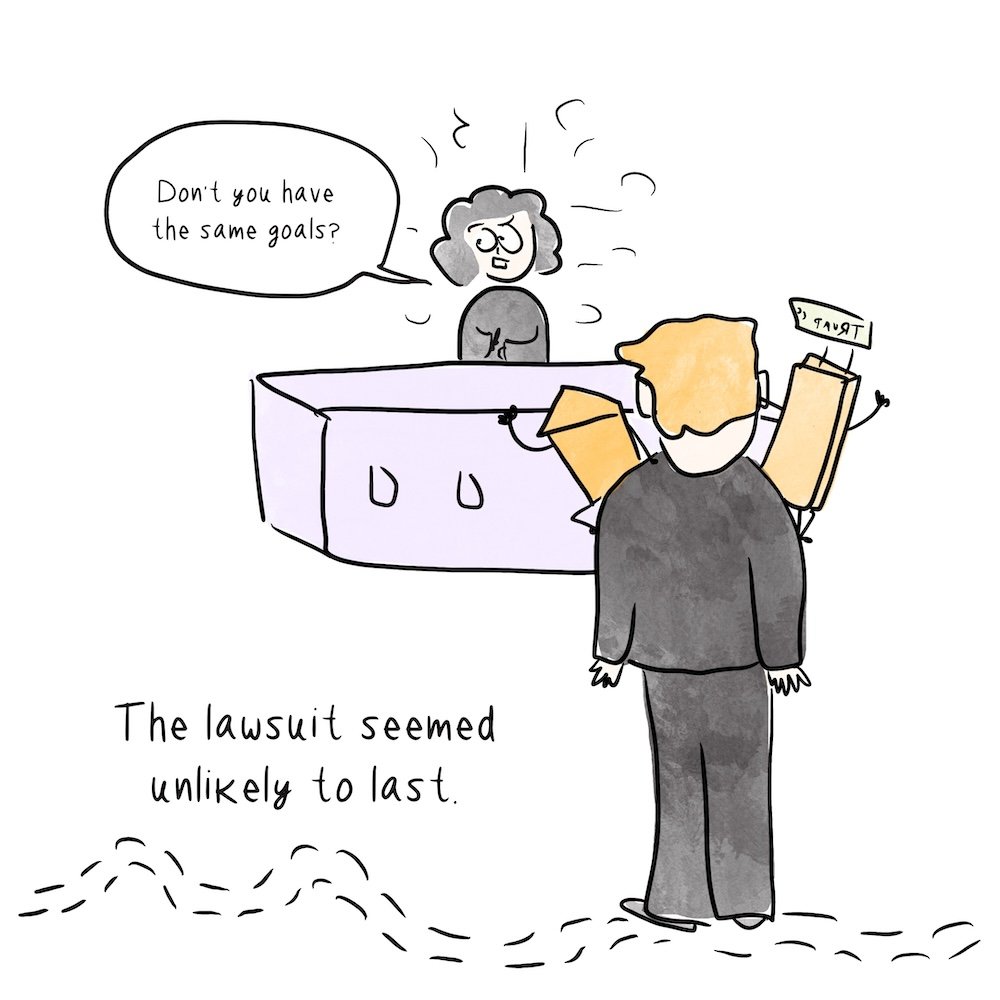
Trump the individual and Trump’s IRS were expected to file briefs in court this week to explain how this case was even possible, given that Trump was effectively on both sides.
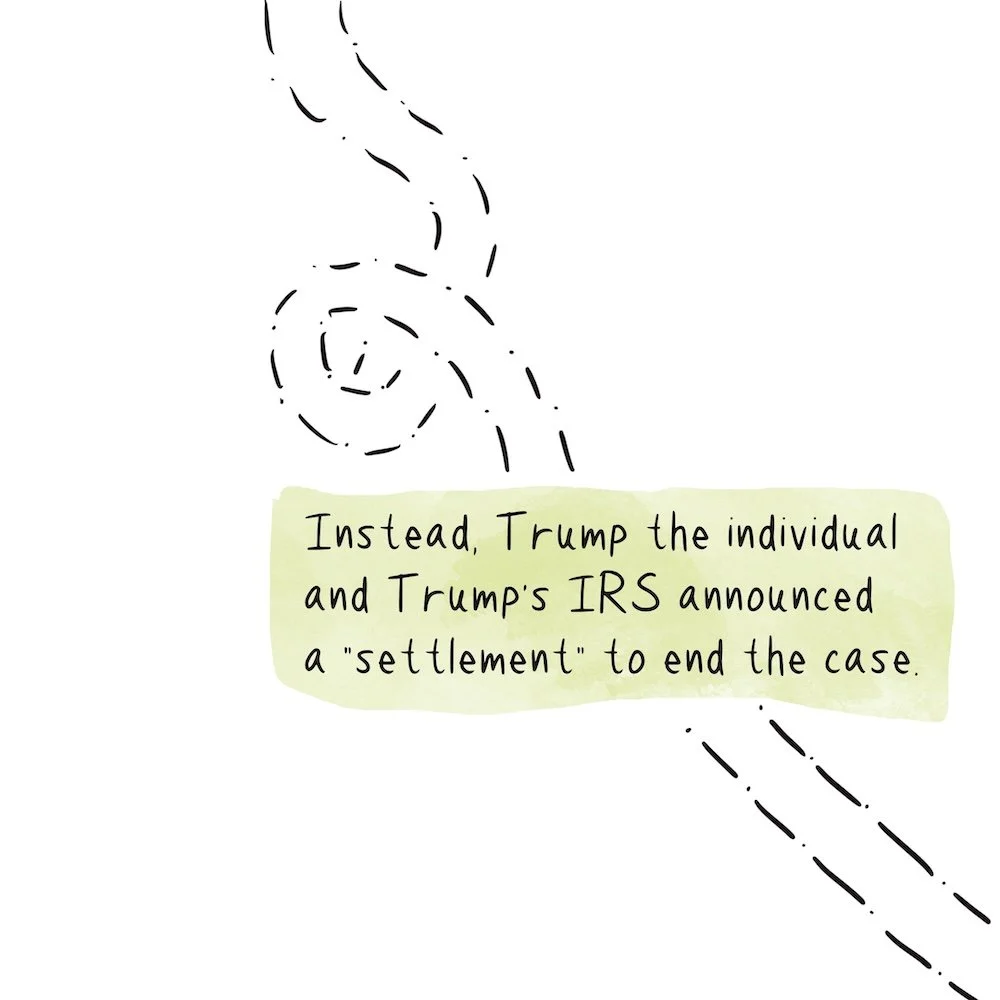
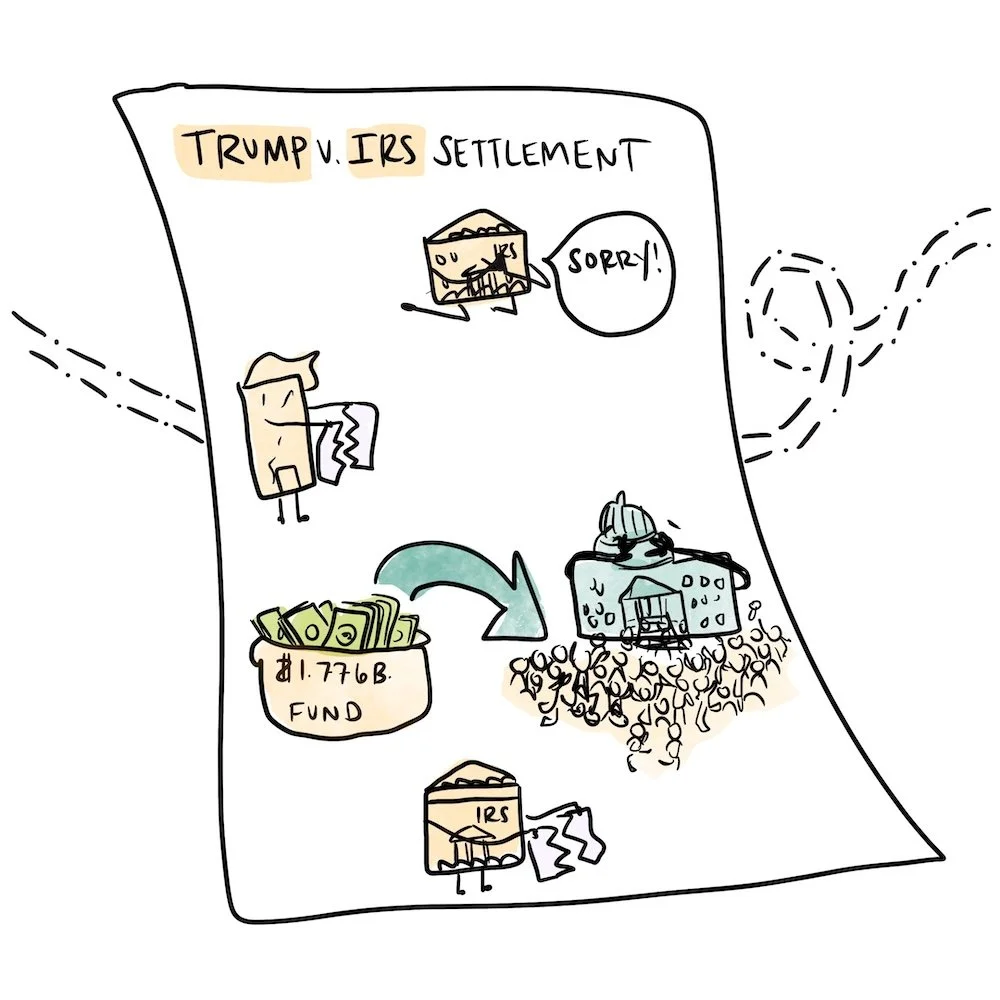
What’s in the Settlement?
Trump the individual will drop all claims against the government.
Trump’s IRS will apologize to Trump the individual.
Trump’s Attorney General will set up a fund of $1.776 billion dollars to pay out to “victims of lawfare.” It is expected these “victims” will include those convicted for participating in the January 6 uprising at the Capitol. The fund will close up shop in December 2028, making it untouchable to a future administration.
Trump’s IRS will drop any related claims pending against Trump the individual. It will be forever barred against any related new claims or investigations against Trump the individual, his family, or his businesses and affiliates.2 The Constitution gives the President the power to pardon only for crimes; it doesn’t have a civil analog. But with this settlement, Trump has found a way to issue a civil pardon to himself and his inner circle.
According to the settlement, this is all “enforceable and challengeable solely by Plaintiffs, Defendants, and the United States.”
If this sounds egregious, then you’re reading it all correctly.
Notes:
You can read the complaint here.
The settlement agreement actually contains two parts. The main agreement, which came out on May 18 and was signed by Associate Attorney General Stanley Woodward and IRS CEO Frank Bisignano and Trump the individual’s attorney. This document outlines the apology, the 1776 fund, and the fact that Trump the individual will not pursue any related claims now or in the future.
An addendum to the agreement came out the next day (technically the order to “establish funding and any other relevant requirements”), signed by Todd Blanche, Acting Attorney General and former personal attorney to Trump the individual. This document included the language protecting Trump, the individual, his family, and his businesses from all related current, pending, and future tax claims.
Also, there is a limit on the claims barred - for any tax activity before May 18, 2026. So theoretically, anything after is not part of this settlement.
If these sound like wishy-washy statements, that is by design. There’s a lot of subjectivity in the law.